
엔조 마레스카, 맨체스터 시티의 새로운 전환점
August 15, 2026 · TaegeukGoal
엔조 마레스카가 맨체스터 시티의 감독으로 취임하며 펩 과르디올라의 유산을 이어받는 동시에 자신의 전술 스타일을 적용하고 있다. 이 글은 두 감독의 전술적 접근 방식을 비교한다.
엔조 마레스카, 맨체스터 시티의 새로운 전환점
Bbc에 따르면.
배경
엔조 마레스카는 맨체스터 시티의 감독으로서 펩 과르디올라의 전술을 기반으로 하면서도 자신의 독창적인 스타일을 적용하고 있다. 특히, 그의 3-2-2-3 전술은 팀의 수비와 공격 전개에 있어 새로운 전환점을 제공하고 있으며, 이는 시즌 전반의 경기력에 중요한 영향을 미칠 것으로 보인다.
왜 중요한가
엔조 마레스카의 감독 취임은 맨체스터 시티의 전술적 방향에 중대한 영향을 미칠 것으로 보인다. 그의 접근 방식은 과르디올라의 유산을 이어가면서도 새로운 스타일을 도입하여 팀의 경기력에 긍정적인 변화를 가져올 가능성이 있다. 이러한 변화는 시즌 전반에 걸쳐 팀의 경기력과 결과에 중요한 영향을 미칠 수 있다.
핵심 요약
- 엔조 마레스카, 맨체스터 시티의 새로운 전환점.
- 엔조 마레스카가 맨체스터 시티의 감독으로 취임하며 펩 과르디올라의 유산을 이어받는 동시에 자신의 전술 스타일을 적용하고 있다.
- How Enzo Maresca's Man City are shaping up compared with Pep Guardiola - BBC Sport.
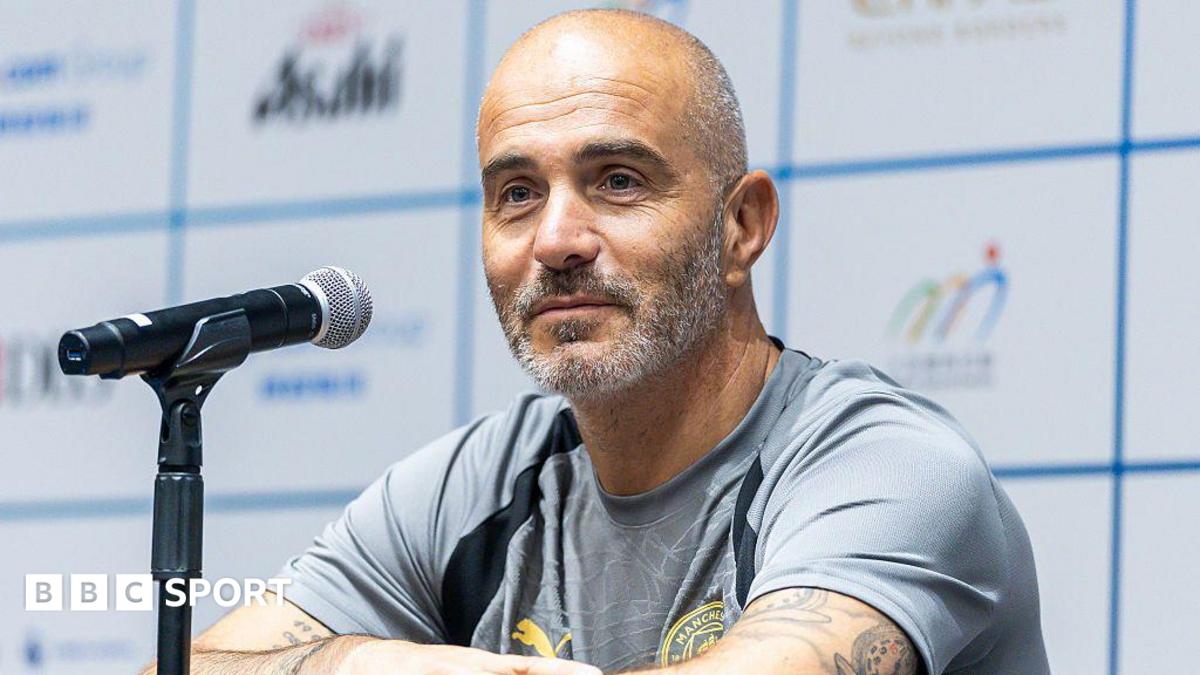
엔조 마레스카가 맨체스터 시티의 감독으로 취임하면서 펩 과르디올라의 10년간의 성공적인 경력을 이어가는 어려운 임무를 맡게 되었다. 많은 이들은 그의 임명이 전술적 접근의 연속성을 의미한다고 생각하지만, 마레스카는 자신의 스타일을 가지고 있으며 이는 시티의 프리시즌 경기에서 점차 드러나고 있다. 마레스카의 시티를 이해하기 위해서는 과르디올라의 전술에 대한 맥락을 제공할 필요가 있다.
과르디올라 감독은 단일한 접근 방식에 따르지 않는 것으로 오해받기도 하지만, 그는 경력 전반에 걸쳐 고수한 원칙들이 있다. 이 원칙은 가능한 한 많은 공을 소유하고, 자신의 골문에서 멀리, 상대 골문 가까이에 두는 것이었다. 그의 게임은 포지셔널 플레이를 기반으로 하며, 이는 공을 가질 때 다른 선수들과의 관계에서 자신을 어떻게 배치해야 하는지를 정의한다.
마레스카의 시티는 이러한 원칙을 구현하고 있으며, 대회 첫 경기에서 인터 밀란을 상대로 64%의 점유율을 기록한 것이 그 예다. 마레스카의 전술 아래에서 선수들은 명확하게 정의된 포지션에서 경기를 하며 자유롭게 움직이지 않는다. 이탈리아 출신 감독은 과르디올라와 마찬가지로 포지셔널 플레이의 옹호자임이 분명하다.
마레스카는 공격할 때 세 명의 수비수와 수비형 미드필더 두 명이 공을 가지고 있는 동안 뒤에 남아있도록 한다. 그의 시스템은 3-2-2-3 형태로 설정되며, 이는 그가 첼시를 관리할 때 사용한 방식이다. 이와 같은 강력한 포지셔널 스타일은 세 명의 수비수가 첫 번째 라인에 남아 있을 수 있도록 하여 수비 측면에서 폭을 커버할 수 있게 한다.
마레스카는 공격에 기여할 수 있는 미드필더 한 명에게 라이센스를 주어 팀의 전개를 돕고 수비를 스크리닝하며, 공을 잃었을 때 빠르게 역습할 수 있게 한다. 최근에는 티자니 레인더스가 그 역할을 맡고 있으며, 매테오 코바치치가 미드필드의 바닥에서 포지션을 잡고 있다. 공격 전술의 최전선에는 윙어들이 높은 위치에서 넓게 유지되도록 요청받고 있으며, 이는 마레스카의 시스템에서 가장 중요한 부분으로 보인다.
니코 곤잘레스는 K리그 올스타와의 힘든 경기 후 "아이디어가 명확하다. 우리는 윙어들에게 도달하려고 한다. 우리는 윙어들에 많은 품질을 가지고 있다."고 말했다. 과르디올라의 마지막 시즌 동안 시티는 윙어들을 좁은 방식으로 사용하는 경우가 많았지만, 마레스카의 시스템은 윙어들을 넓게 사용하는 방향으로 돌아가고 있다.
적들이 위험한 윙어에 두 명이 붙으면 내부 공간이 열리게 되고, 이는 필 포든과 라이안 체르키와 같은 작은 공간에서 편안함을 느끼는 공격수들이 경기에 영향을 미칠 수 있는 곳이다. 마레스카는 조스코 바르디올에게 왼쪽 풀백에서 왼쪽 공격 미드필더로 이동하도록 요청하고 있으며, 이는 미드필드에서 박스 형태를 형성하는 데 기여하고 있다.
공을 소유하지 않을 때, 마레스카의 시스템은 첼시 시절과 비교했을 때 가장 큰 변화가 나타난다. 당시 마레스카는 고위에서 1:1 프레스를 주로 사용했지만, 프리시즌에서는 시티가 고위에서 수비를 하되 더 구역형으로 방어하는 모습을 보였다. 마레스카는 "보통 수비하는 팀이 1:1로 해결책을 찾았지만, 이제는 빌드업을 시도하는 팀들이 1:1에 대한 해결책을 찾고 있다."고 이야기하며, 더 많은 팀들이 1:1 프레스에 대비할 준비를 하고 있다고 말했다.
마레스카의 시스템은 독자적이지만, 흥미롭게도 시티의 지난 10년간의 성과를 반영하고 있으며, 클럽은 새 챕터를 시작하려 하고 있다.
앞으로 전망
마레스카는 앞으로의 경기에서 자신의 전술을 더욱 발전시키고 팀의 전반적인 경기력을 높이기 위해 노력할 것으로 예상된다. 특히, 윙어들의 활용과 포지셔널 플레이의 강화가 팀의 공격 전술에 중요한 역할을 할 것이다. 다음 경기에서 마레스카의 전술이 어떻게 적용될지 주목할 필요가 있다.
Frequently Asked Questions
엔조 마레스카가 맨체스터 시티의 감독으로 취임한 이유는 무엇인가요?
엔조 마레스카는 펩 과르디올라의 10년간의 성공적인 경력을 이어가는 어려운 임무를 맡게 되었습니다.
맨체스터 시티의 프리시즌 경기에서 어떤 전술을 사용하고 있나요?
마레스카의 시티는 3-2-2-3 형태의 포지셔널 플레이를 기반으로 하며, 공격 시 세 명의 수비수와 두 명의 수비형 미드필더가 공을 가지고 뒤에 남아있도록 합니다.
마레스카의 전술 아래에서 선수들은 어떻게 움직이나요?
마레스카의 시스템에서는 선수들이 명확하게 정의된 포지션에서 경기를 하며 자유롭게 움직이지 않습니다.
다음 맨체스터 시티의 경기는 언제인가요?
기사에서는 다음 맨체스터 시티의 경기에 대한 정보가 제공되지 않았습니다.
마레스카의 시스템에서 윙어들은 어떤 역할을 하나요?
마레스카의 시스템에서는 윙어들이 높은 위치에서 넓게 유지되도록 요청받으며, 이는 공격 전술의 중요한 부분입니다.


