World Cup 2026: Who are the winners and losers when it comes to hydration time?
World Cup

World Cup 2026: Who are the winners and losers when it comes to hydration time?

June 17, 2026 · TaegeukGoal

There is controversy surrounding the impact of hydration time on the flow of the game and players' physical fitness management in the 2026 World Cup.

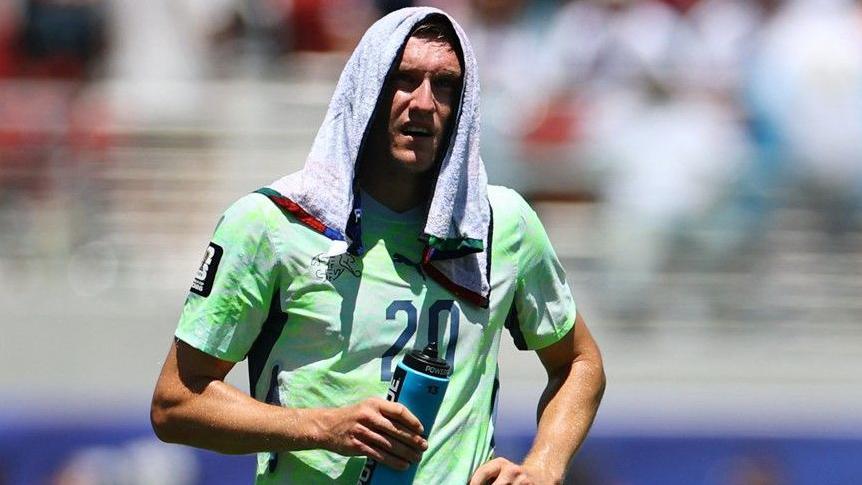
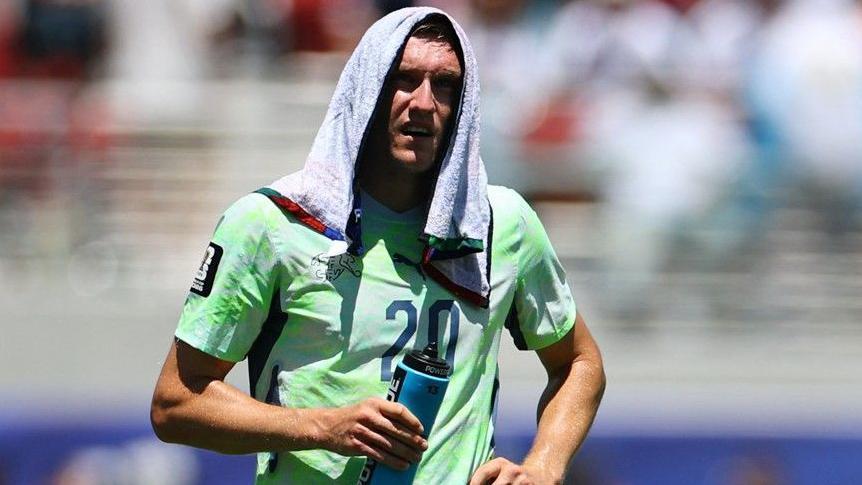
Image Rehydration breaks are being implemented regularly at the 2026 World Cup. Referees stop play at the 22nd minute of each half to allow players to rehydrate, a measure to overcome the high temperatures and humidity in Mexico, Canada and the United States. But not everyone is happy with this decision. Some say this make-up time is a disruption for the commercial benefit of U.S. broadcasters. Even indoor climate-controlled stadiums have implemented hydration breaks. Mauricio Pochettino, coach of co-hosts the United States, said: "I think it's only necessary in extreme situations. When conditions are good, it's unnecessary." So who are the winners and losers when it comes to hydration time? The Brazilians were trailing 1-0 when the match resumed after rehydrating against Morocco at the New York Stadium in New Jersey, but quickly equalized. This was thanks to Vinicius Jr.’s individual skills. Manager Carlo Ancelotti admitted that the rehydration period provided an opportunity to give his players new tactical instructions. “It’s very beneficial to explain the problem and make tactical adjustments,” he said. Since rehydration time was introduced for player welfare, there is controversy over whether coaches should be allowed to give new instructions. US women's soccer team coach Emma Hayes told ITV Sport that stopping play breaks the flow of a dominant team. He explained, "It's a disadvantage for the dominant team, and an advantage for the inferior team. Sometimes, it's not a matter of instructions, but simply rehydrating and calming the players." Canada also tied the score shortly after rehydration, while Scotland scored its only goal after rehydration in a win over Haiti. On the other hand, Curacao, who were making their World Cup debut, tied 1-1 against Germany, but lost 7-1 when the match started again after rehydration. The Czech Republic continued to dominate the match against Korea, but lost momentum after the rehydration period and lost 2-1. The Netherlands took time to rehydrate with a 2-1 lead in the game against Japan, but the match ended in a 2-2 draw. Of course, rehydration time is not the main cause of this change in flow. However, as the tournament progresses, it will become clear whether these interruptions are becoming a significant factor in the game. Former Arsenal and England striker Ian Wright claimed the rehydration session was a publicity stunt. He commented, “It’s just a way for American broadcasters to place advertisements.” While hydration time is criticized, there are also voices that evaluate it positively. Spanish coach Luis de la Fuente emphasized, "The players' health is important. They need a short rest." Future games will show whether hydration time will become an important factor in the World Cup.


Related Articles 1. 2026 World Cup Tactics: 4-4-2 tactical trend adopted by teams including Brazil

  1. Sweden 2-0 Tunisia Highlights - World Cup 2026 - June 16, 2024

    Related Articles

Share:
𝕏f📱